The Limber Protocol

Tight, limber or loose?

Flexibility requires two sub-skills: strength in end range and the ability to actively decrease muscle tone under tension. These two skills are built in almost opposing ways. If you only practise one, flexibility progress inevitably plateaus.

First find your type. Then tap the button underneath to get your specific flexibility approach.

Watch: tight vs. loose, explained (5 min)

Tight
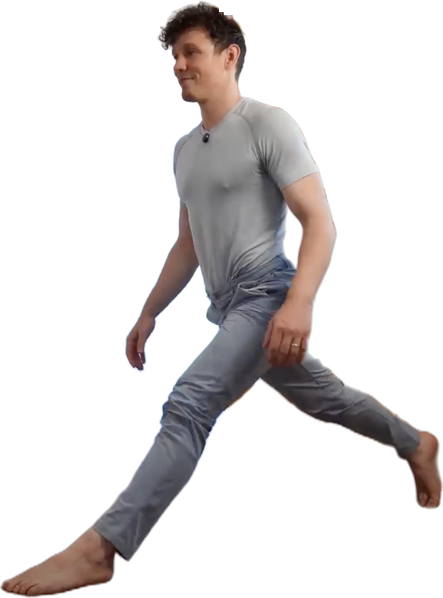
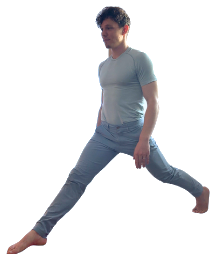
Active: a long standing lunge
Active
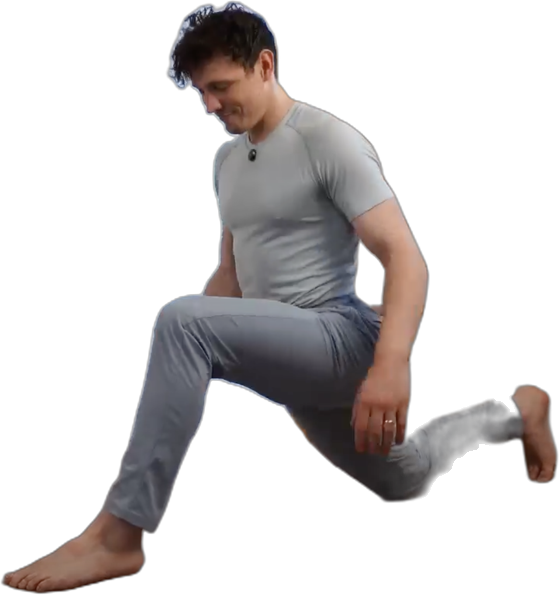
Passive: a kneeling lunge, about as deep as the standing lunge
Passive

Passive = active

Strong, but impossible to relax.

Loosen
Limber
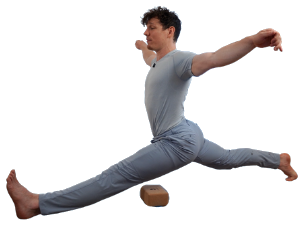
Active: front split lift, block under mid thigh
Active
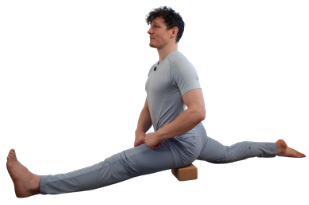
Passive: slightly deeper front split, block under the front hip
Passive

Passive a bit ahead

Easily lifts up, relaxes to go deeper.

Build
Loose
Active: a standing long lunge
Active
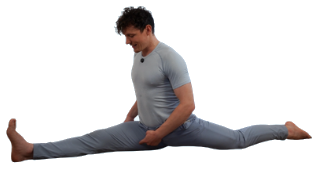
Passive: full front split resting on the floor
Passive

Passive far ahead

Struggles with active, mastered passive

Strengthen
Active range Passive range Where passive ends

Not sure? Relax into your deepest supported stretch, then try to lift out of it on your own. You can always lift up actively, but relaxing deeper into it is impossible? You're tight. Your passive flexibility is way ahead of what you can actively hold? You're loose.